
2026-10-17 ·
Metal Roofing vs. Asphalt Shingles for Hot Weather in Midland, TX
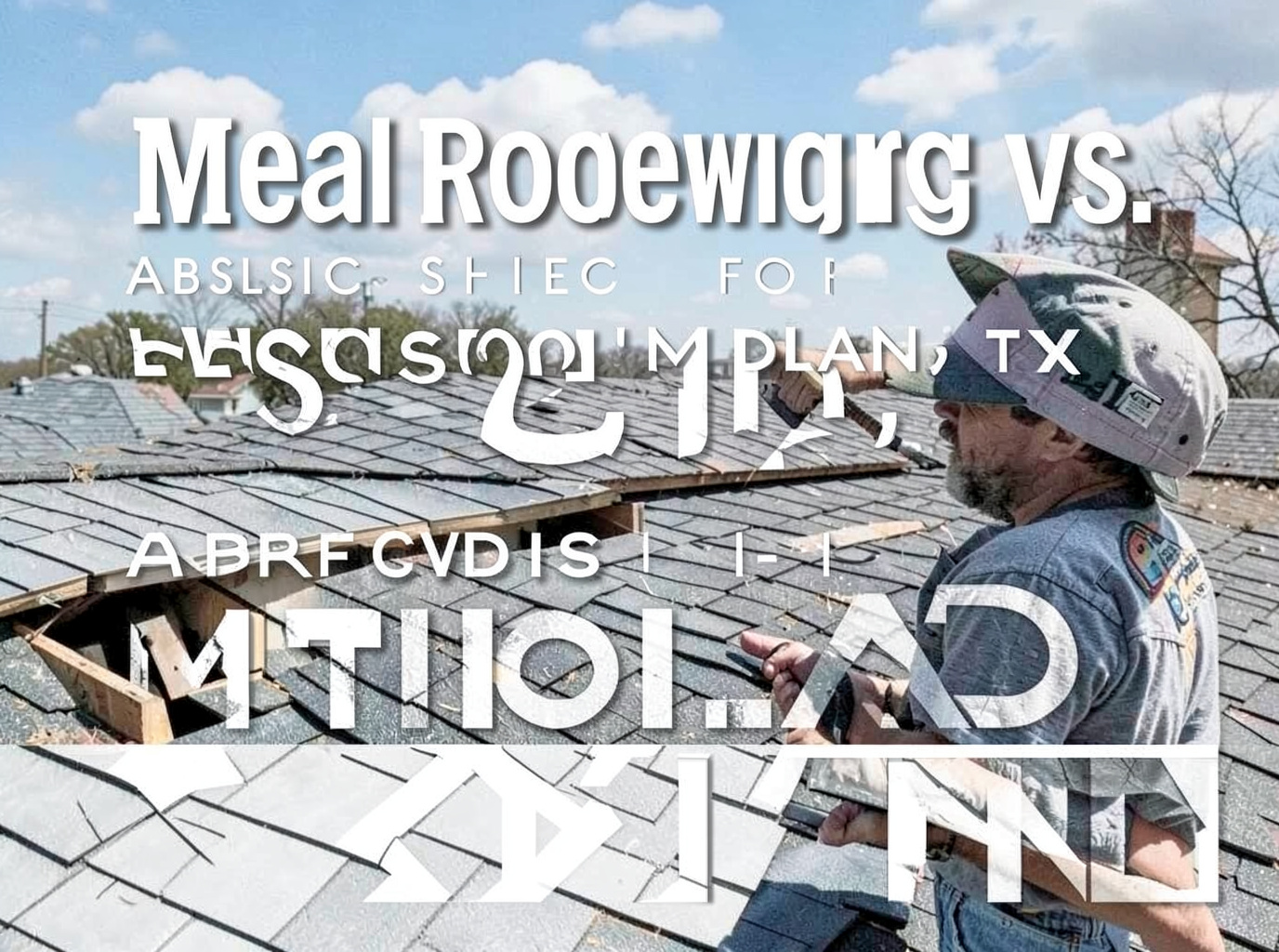
Metal roofing reflects more solar heat and maintains lower surface temperatures than asphalt shingles in Midland's hot arid climate, making it the stronger choice for most homes here when summer temperatures climb and dust storms arrive regularly.
Heat Reflection Performance in Midland's Arid Climate
Midland's hot arid conditions with cool winters push roof surfaces to extreme temperatures during the day. Metal panels reflect a large portion of sunlight, which keeps attic spaces cooler and reduces the load on cooling systems in homes across Westridge and Grassland Estates. Asphalt shingles absorb more heat, which can accelerate granule loss and shorten their effective service life under the same sun exposure. Homeowners in Northwest Midland often notice the difference during peak summer months when dust storms add an extra layer of abrasive wear. The arid environment also means less moisture-related expansion and contraction issues that might affect other roofing types elsewhere in Texas.
Durability Against Dust Storms and Weather Patterns
Frequent dust storms in Midland County scour roof surfaces and carry fine particles that settle into seams and valleys. Metal roofing systems shed dust more readily because of their smooth profile, while asphalt shingles can trap particles that hold heat and speed up material breakdown. Cool winter nights followed by rapid daytime warming create thermal cycling that asphalt feels more acutely, leading to cracking over repeated seasons. Properties near the Permian Basin Petroleum Museum or the Midland County Courthouse face the same regional wind patterns that test roof edges and fasteners. Serving nearby cities like Odessa, Andrews, and Big Spring shows the same pattern: metal holds up with fewer repairs when storms hit repeatedly.
Lifespan and Upkeep in Local Neighborhoods
Homes built in Downtown Midland and surrounding subdivisions often feature older framing that benefits from lighter-weight metal options during replacement projects. Metal systems commonly reach 40-70 years with periodic inspections, while asphalt shingles in the same conditions typically require replacement after 15-25 years due to heat and dust exposure. Routine checks after storms help catch loosened fasteners on metal before leaks develop, and the material resists the UV degradation that curls and splits asphalt. Metal roofing installation crews working in Grassland Estates routinely note how the arid climate favors standing-seam profiles over traditional shingles. Homeowners can schedule roof inspections after a storm to evaluate current conditions before deciding between the two materials.
Cost Factors and Long-Term Value for Midland Homeowners
Initial material and labor costs for metal roofing run higher than asphalt shingles, yet the extended lifespan and reduced cooling demands often offset the difference within 10-15 years in Midland's climate. Asphalt remains a lower upfront option for budget-conscious projects in areas like Westridge, though more frequent replacements add up over decades. Factors such as roof pitch, existing deck condition, and proximity to dust sources influence final pricing more than generic estimates. Properties in nearby Andrews and Big Spring show similar trade-offs when owners weigh replacement cycles against ongoing energy use. Heat-resistant roof replacement discussions with local owners frequently center on these numbers rather than short-term savings alone.
Practical Decision Points After Reviewing Local Conditions
Homes in Northwest Midland and Grassland Estates with steep pitches or good ventilation often gain the most from metal's reflective qualities. Asphalt can still suit flatter sections or accessory structures where heat buildup matters less. Checking for existing damage through resources like how to spot hail and wind damage on roofs in Midland, TX helps clarify whether a full change or targeted repair makes sense. The same regional dust and temperature swings apply whether the address sits in Downtown Midland or extends toward Odessa. Weighing these site-specific details against expected occupancy length leads to clearer choices without relying on broad claims.